




Key Takeaways
- Chronic stress triggers a “fight or flight” response that physically damages arterial walls.
- The heart-brain axis means your mental state directly influences your cardiovascular risk.
- High cortisol levels lead to inflammation, which accelerates plaque build-up in the heart.
- Seeing a cardiologist for regular screenings can detect stress-related damage early.
Introduction
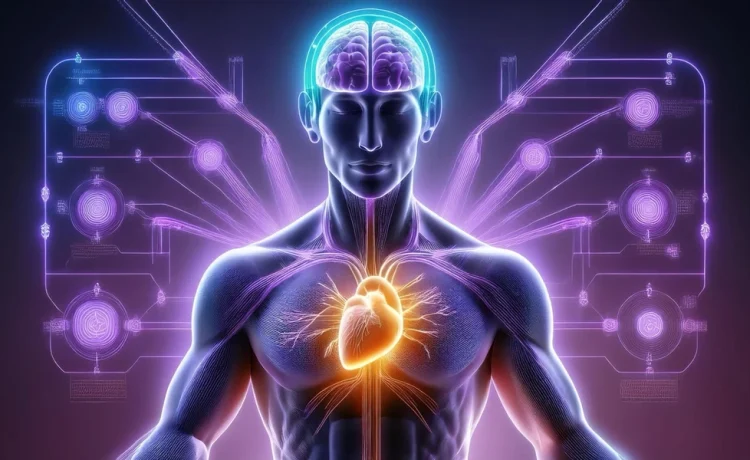
We often talk about stress as if it’s just a “feeling.” We say we are “stressed out” after a long day at the office or a difficult conversation, and we treat it as a mental burden to be managed with a weekend away or a glass of wine. But your body doesn’t see stress as a feeling; it sees it as a physical emergency. When you are chronically stressed, your brain is constantly sending “danger” signals to your heart. This is the heart-brain axis in action-a powerful, two-way communication system that can either keep you healthy or lead you down a path of cardiovascular disease.
For those of us living in the high-pressure environment of Singapore, chronic stress is often a silent passenger. We get used to the racing heart, the shallow breathing, and the constant hum of anxiety. But while we might get used to it, our arteries do not. Over time, the chemical cocktail released by a stressed brain starts to erode the lining of our blood vessels. If you are worried about your heart, it might be time to look at your head. A cardiologist can help you understand how your lifestyle is impacting your most vital organ.
The Biology of the Stress Response
When the brain perceives a threat, it releases hormones like adrenaline and cortisol. In short bursts-like if you need to dodge a car-this is life-saving. It increases your heart rate and tightens your blood vessels to pump blood to your muscles. However, when this response never turns off, your heart is essentially running a marathon while you are just sitting at your desk. You know what? This constant high pressure causes microscopic tears in the endothelium, the inner lining of your arteries.
These tiny tears are where the trouble starts. Your body tries to fix them by sending inflammatory cells and cholesterol to the site, which eventually forms plaque. This is how “stress” becomes “clogged arteries.” A heart specialist will tell you that inflammation is the real villain in heart disease. Chronic stress keeps your body in a state of high inflammation, making your arteries stiffer and more prone to blockages. It’s a physical manifestation of a mental state, and it’s a leading cause of heart attacks in seemingly healthy individuals.
The “Broken Heart” Phenomenon
It isn’t just about the long-term wear and tear. Intense emotional stress can actually cause a sudden, temporary weakening of the heart muscle, known as Takotsubo cardiomyopathy-or “Broken Heart Syndrome.” While rare, it perfectly illustrates how the brain can physically “stun” the heart. While most people recover from this, it serves as a stark reminder that our emotions have a direct line to our cardiac function. The heart-brain axis is not a metaphor; it is a biological reality.
For most of us, the impact of stress is more subtle but equally dangerous. It affects our sleep, which in turn affects our blood pressure. It leads to “stress eating,” which impacts our cholesterol levels. It’s a cascading effect. When you visit a cardiologist in Singapore, they won’t just look at your ECG; they will ask about your life. Understanding your stressors is a key part of assessing your overall risk. You cannot treat the heart in a vacuum; you must consider the person who owns it.
Protecting the Axis: Beyond Just Medication
So, how do we protect our arteries from our own brains? It starts with awareness. Recognising when you are in a state of chronic “fight or flight” is the first step. Techniques like deep breathing, mindfulness, and regular physical exercise aren’t just “lifestyle tips”; they are medical interventions that tell your brain to stop attacking your heart. Exercise, in particular, is a great “exhaust valve” for stress hormones, clearing them from your system before they can do damage to your vessels.
Of course, medical oversight is crucial. A heart specialist in Singapore can use advanced imaging to look at the health of your arteries and determine if stress has already started to cause damage. They might recommend medications to manage blood pressure or cholesterol, but they will also emphasise the importance of stress reduction. It’s a holistic approach. By calming the mind, you are literally smoothing out the environment in which your heart has to function. It’s about creating a “peaceful” internal world.
The Importance of Regular Screening
The tricky part about stress-related heart damage is that you often can’t feel it until it’s quite advanced. You might feel “tense,” but you won’t feel your arteries hardening. This is why regular check-ups with a cardiologist are so important, especially for those in high-stress professions. Simple tests can catch the early signs of hypertension or inflammation long before they lead to a major cardiac event. It’s about staying ahead of the curve.
Think of it as a tune-up for your most important engine. You wouldn’t drive a car for ten years without checking the oil, especially if you were constantly red-lining it. Your heart deserves the same level of care. By managing the heart-brain axis, you aren’t just living longer; you are living better. You have more energy, clearer thoughts, and a more resilient body. Don’t let the pressure of daily life take a permanent toll on your health. There are experts ready to help you find your balance.
Conclusion
The connection between your mind and your heart is one of the most powerful forces in your body. Chronic stress is a physical threat to your arteries, but it can be managed with the right approach. By understanding the heart-brain axis and seeking proactive care from a cardiologist, you can protect your cardiovascular health for years to come. Your heart works hard for you; make sure you are doing the same for it. Get to know more about Foundation Healthcare for expert cardiac care and support.