




What reveals cart authenticity?
Authenticity shows through lab documentation, oil behaviour, and hardware quality working together. A genuine THCA cart matches its certificate of analysis on every measurable point, while a cut version fails at least one of these checks under close inspection.
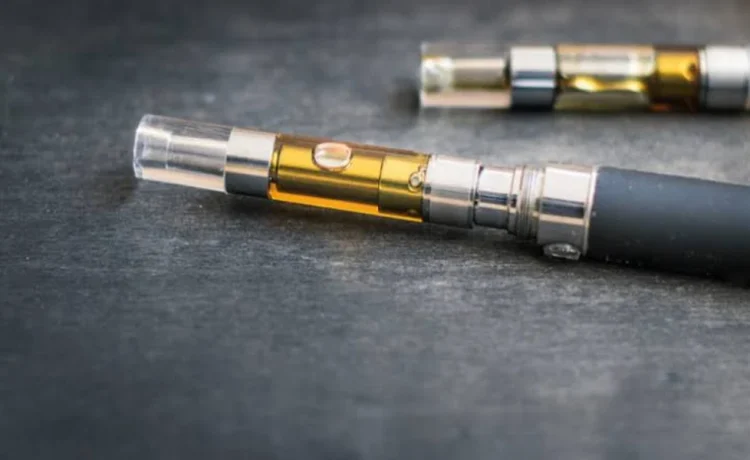
Transparent paperwork precedes verified extraction of genuine products. Shoppers who browse the range from established producers notice consistent traits, such as thick golden oil, clean ceramic coils, and batch codes printed directly on packaging rather than stickers. Rather than matching internal standards, cut carts use visual imitation. When tilted, THCA extract retains an amber tone and moves slowly. Diluted versions often look thin, dark, or strangely watery. A real laboratory domain, rather than generic images, is linked to QR codes created by genuine producers.
Why do carts get cut?
Cutting happens because dilution stretches expensive extract across more units, letting dishonest sellers multiply output from a single batch. Thickeners and flavour carriers replace genuine cannabinoid content while packaging stays convincing.
Vitamin E acetate, mineral oil, and heavy propylene glycol loads appear most often in altered products. Each additive changes the vapour character in ways trained users detect quickly. Harsh throat feel, chemical aftertaste, and headaches following short sessions all point toward adulteration. Genuine extract needs no fillers because proper cultivation and extraction already yield usable volume for honest producers.
Physical inspection markers
Hands-on examination exposes most fakes before a single puff. Careful observation of oil, hardware, and packaging tells the real story.
- Bubble test movement should stay slow, since a bubble racing upward after flipping the cart suggests thin, diluted oil.
- Coil colour must appear white or pale ceramic, as burnt or stained coils in a new unit reveal recycled hardware.
- Label printing should hold sharp text edges, because blurry fonts and misspelt compound names mark counterfeit packaging.
- Threading quality on genuine carts feels smooth and machined, while fakes often show loose or crooked connections.
Verifying lab reports
Documentation review completes the process after physical checks pass. A real certificate of analysis lists cannabinoid percentages, residual solvent results, and heavy metal screening from an accredited laboratory.
Match the batch number on the cart against the number printed on the report. Any mismatch means the paperwork belongs to a different production run, which defeats its purpose entirely. Check the laboratory name through an independent search and confirm the facility actually exists. Some counterfeit operations fabricate entire reports using templates, so a quick verification call or website visit settles doubt fast. Dated reports matter too, since testing older than a year no longer reflects the current inventory. Genuine sellers refresh documentation with every new batch and make each report easy to locate without special requests.
Carts with real THCA prove themselves through slow-moving golden oil, clean hardware, sharp packaging, and lab reports that withstand independent scrutiny. When the cut versions are examined, they fail bubble tests, coil inspections, or batch verifications at some point. The patient review of a product before purchase protects both health and experience, making future selections more confident.