



Soft tissue treatment is usually thought of as something done with the hands, and the sight of a practitioner drawing a steel tool across the skin can look alarming by comparison. In practice the instrument is simply another way of applying controlled pressure. Instrument-assisted soft tissue mobilisation, shortened to IASTM in clinics and typed into search engines as iastm, is used alongside exercise for certain muscle and tendon complaints. Understanding what it can and cannot do helps in deciding whether it is worth trying.
What the Technique Involves
The practitioner applies a lubricant to the skin and strokes a contoured tool, usually stainless steel, along and across the affected tissue. Pressure is moderate and adjusted to comfort. A single area is typically worked for between thirty seconds and a few minutes. The edge of the instrument concentrates force over a smaller area than a thumb can manage and transmits texture back to the hand, which some clinicians find helps them locate thickened or sensitive regions.
The Proposed Mechanisms
Several explanations are offered for how the technique might work. One is that controlled mechanical stress stimulates local circulation and the activity of cells involved in tissue repair. Another is that stimulation of skin and fascia alters how the nervous system registers pain and tension, allowing a temporary increase in movement. Much of the cellular evidence comes from animal studies, and the popular notion of physically breaking down scar tissue is not well supported in humans.
Conditions Where It Is Commonly Used
Clinicians most often apply the method to tendon problems such as tennis elbow, Achilles and patellar tendinopathy, plantar heel pain, tightness in the calf or hamstring, stiffness after ankle sprains and restricted movement around healed surgical scars. It is also used for neck and shoulder muscle tension in people who sit for long periods. In each case it is intended to make movement easier in the short term so that loading exercises can be performed more comfortably.
Desk Workers and Repetitive Strain
Forearm, wrist and upper shoulder complaints are frequent among people who type or use a mouse all day. Where an employer has engaged a corporate chiropractor or on-site therapist, instrument-assisted work is sometimes offered in brief sessions for these areas, combined with workstation changes. The second element matters more over time. Unless keyboard height, mouse position and break frequency are corrected, any relief gained from treatment is likely to fade once the same daily strain resumes.
What the Research Shows
Systematic reviews generally conclude that the technique can produce short-term improvements in range of motion, and may reduce pain in some conditions, but that study quality is variable and sample sizes are small. It has not been shown to be clearly superior to other manual methods or to exercise alone. A fair reading is that it is a reasonable adjunct with a plausible short-term effect, and that longer-term recovery depends chiefly on progressive loading and activity modification.
What a Session Feels Like
Most people describe a scraping or gritty sensation that is uncomfortable but tolerable. Redness of the skin is normal and fades within hours. Small pinpoint marks or mild bruising can appear, particularly with firmer pressure, and the area may feel tender for a day or two. Significant bruising is not a sign of effective treatment and is not something a practitioner should aim for. Patients should say immediately if the pressure feels too strong.
Who Should Avoid It
The technique is unsuitable over open wounds, skin infections, unhealed fractures, areas of suspected deep vein thrombosis or known tumours. Caution is needed for people taking blood-thinning medication, those with bleeding disorders, fragile skin, poorly controlled diabetes or reduced sensation, and during acute inflammation. A practitioner should ask about these before starting. Unexplained calf swelling and warmth, severe night pain or numbness and weakness in a limb need medical assessment before any soft tissue treatment.
Exercise Remains the Main Event
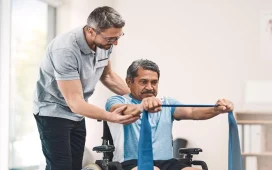
For tendon and muscle problems, graded strengthening has the most consistent evidence. Instrument work is best scheduled immediately before exercise, when any gain in comfort or mobility can be put to use. A typical session might involve a few minutes of tool application followed by specific loading drills and a home programme. Without that follow-through the technique offers little beyond temporary relief, and a plan consisting of passive treatment alone should prompt questions.
How It Fits Into Broader Care
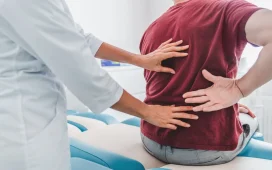
Soft tissue restriction seldom occurs in isolation. Stiff spinal or peripheral joints, weak supporting muscles and movement habits often contribute to the same complaint. For that reason the instrument is commonly used as one component of wider chiropractic treatment, physiotherapy or sports rehabilitation, alongside joint mobilisation and exercise. The practitioner should be able to explain why each element has been chosen and how the combination relates to the findings of the initial examination.
Deciding Whether to Try It
The technique is worth considering for a persistent muscle or tendon complaint that has been properly assessed, provided it forms part of an exercise-based plan. Ask what training the practitioner has in the method, how many sessions are proposed before review and what change they expect to see. Three to six sessions is a typical trial. If movement and pain have not improved by then, the approach should be reconsidered and other options discussed.