





Few things jolt you awake quite like a sudden, rock-hard knot in your calf. Night-time muscle cramps are painful, but they are common and usually harmless. They affect people of all ages, though they become more frequent with age and during pregnancy. Knowing what triggers them, and what to do when one strikes, can help you sleep through the night and wake up without sore legs.
What Happens During a Cramp
A cramp is an involuntary, sustained contraction of a muscle. At night it most often strikes the calf, but the feet and thighs can be affected too. The muscle tightens suddenly and refuses to relax, sometimes for a few seconds and sometimes for several minutes. Soreness can linger into the next day.
Common Causes
In many cases there is no single clear cause, but several factors are often involved:
- Muscle fatigue. Long days on your feet or a hard workout can leave muscles prone to cramping.
- Awkward positions. Pointing your toes for long periods, such as under tightly tucked blankets, shortens the calf muscle.
- Dehydration. Losing fluids through sweat, heat or low water intake can affect how muscles contract.
- Mineral imbalances. Low levels of magnesium, potassium or calcium may play a role for some people.
- Inactivity. Muscles that are rarely stretched tend to be tighter and more cramp-prone.
- Medications and conditions. Diuretics, some cholesterol drugs, diabetes, nerve problems and poor circulation can all increase the risk.
- Pregnancy. Changes in circulation and weight make cramps common, especially later in pregnancy.
What to Do When a Cramp Strikes
- Straighten your leg and gently pull your toes toward your shin to stretch the calf.
- Stand up and press your heel into the floor, walking around if you can.
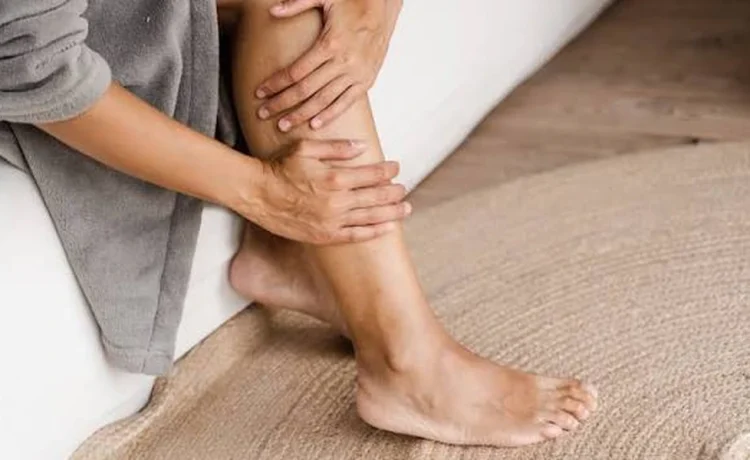
- Massage the tight muscle with firm, slow strokes.
- Apply heat afterward to relax the muscle, or ice if it feels sore.
Prevention Tips
Stretch before bed. A simple calf stretch against a wall, held for 30 seconds on each leg, can reduce how often cramps occur.
Stay hydrated. Drink water steadily through the day, especially in hot weather or after exercise.
Check your sleeping position. Keep blankets loose around your feet so your toes are not forced downward. Side sleepers can place a pillow between the knees.
Eat a balanced diet. Bananas, leafy greens, nuts, seeds, beans and dairy provide minerals that support healthy muscle function. Speak to a doctor before taking supplements.
Look after tired muscles. Regular stretching, gentle exercise and soft tissue care keep muscles supple. A relaxing 출장마사지 session after a demanding week can release built-up tension in the legs before it turns into night-time cramping.
When to See a Doctor
Occasional cramps are rarely a concern. Seek advice if cramps happen very often, disturb your sleep regularly, come with muscle weakness or swelling, or started after beginning a new medication. A doctor can check for underlying issues and review your prescriptions.
With a few nightly habits, most people can cut down on cramps and enjoy more peaceful sleep.