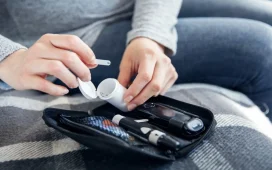





Getting a loved one to and from appointments on Long Island can feel like a second job. Between the LIE, Sunrise Highway, and seasonal traffic to the East End, even a simple checkup can turn into a half-day ordeal. These ten practical hacks—built for Suffolk realities—will help you arrive on time, reduce stress, and keep care on track.
1) Book “geography days” to cut drive time
When scheduling, cluster visits by corridor: Stony Brook/Port Jefferson, Smithtown/Hauppauge, Bay Shore/West Islip, Riverhead/Peconic, or Southampton/East Hampton. Ask offices for same-day back-to-back slots; most will accommodate if you explain you’re consolidating for a caregiver. One trip, multiple check-ins.
2) Choose traffic-smart appointment windows
For east–west drives, aim for 10am–2pm starts to avoid rush hour. For South Fork routes, sidestep weekend congestion by targeting Tue–Thu mornings. If fasting labs are required, request the first appointment of the day—less waiting, fewer delays, and faster results.
3) Pre-enroll in paratransit and ambulette options
If mobility is limited, apply early for Suffolk County Accessible Transportation (SCAT) or local ambulette services (wheelchair vans). Know the difference: curb-to-curb vs. door-through-door. Keep copies of approval letters and prescriptions for medical transportation in your “go folder” so you can book quickly.
4) Tap insurance-covered Non-Emergency Medical Transportation (NEMT)
For Medicaid or certain Medicare Advantage plans, you may qualify for NEMT. Call the plan to ask: Is prior authorization needed? What’s the pickup window? Is a personal care attendant covered? Put the plan’s transport number at the top of your contacts and request recurring rides for weekly therapies.
5) Make a one-page “medical passport” and ride script
Create a single sheet with diagnoses, meds, allergies, mobility aids used, and emergency contacts. Add a ride script: “Please position the wheelchair facing uphill on ramps; transfer with gait belt only.” Hand this to drivers so every trip follows the same safety routine—no guesswork.
6) Use telehealth and remote monitoring to skip unnecessary trips
Ask each provider, “Which visits can be virtual?” Post-op check-ins, med reviews, and results discussions are often telehealth-friendly. Share home vitals—BP, weight, SpO₂—or wound photos securely before the call. Fewer in-person visits means less fatigue and fewer risky transfers.
7) Automate confirmations and door logistics
Enable text/email reminders and confirm rides 24 hours prior. Share exact pickup spots (e.g., “Stony Brook Hospital Main Entrance, valet lane, blue awning”) and return pickup instructions (which door, which floor). For large campuses, save map screenshots in your phone’s favorites and pin meeting points in a family group chat.
8) Build a “go bag” that lives by the door
Include insurance cards, ID, the medical passport, medications for the day, glucose tabs or snacks, water, incontinence supplies, a spare phone charger, and a lightweight lap blanket (waiting rooms run cold). Add a foldable transfer board or gait belt if recommended. Restock the bag after every outing.
9) Create a rain/heat contingency plan
Suffolk weather can be punishing. On rainy days, request covered pickup areas and bring nonslip shoe covers. In summer heat, pre-cool the vehicle and limit time outdoors; keep electrolyte packets handy. In winter, book extra time for slower transfers, salted pathways, and ramp safety checks.
10) Streamline the calendar—and the story
Use one shared digital calendar for all appointments, ride windows, and prep tasks (e.g., “Hold diuretic until after visit,” “Bring wound photos”). In the event notes, keep a three-line clinical story: “Why we’re here, any recent changes, top 2 questions.” This saves time with front desk staff and helps clinicians act quickly.
Pro tips for smoother days
- Ask for onsite perks. Many hospital systems offer courtesy shuttles between buildings; some clinics provide wheelchair escorts—request them when you check in.
- Time your refills. If you’re already headed to a medical corridor, schedule pharmacy pickups nearby to avoid a second drive.
- Book follow-ups before you leave. While at the visit, schedule the next appointment at a traffic-smart time and request a recurring slot (e.g., every other Wednesday at 11am).
- Track mileage and receipts. If benefits or programs reimburse, detailed logs speed up approvals.
Transportation is more than logistics; it’s clinical. Missed or late appointments lead to delayed adjustments in meds, therapy plans, and wound care. By planning routes, locking down rides, and packing smart, caregivers turn travel into a reliable part of the care plan—not a barrier to it.
If your loved one needs additional support with transfers, bathing, meal prep, or post-discharge routines, short-term in-home help can bridge the gap and keep follow-through strong. For many families, adding structured support through home care in Suffolk county turns chaotic appointment days into predictable, safer routines—so care stays consistent, outcomes improve, and everyone gets a little breathing room.