





Knowing what goes into the foods you consume is the first step towards making educated dietary choices. Because they are inexpensive, adaptable, and filling, potatoes have long been a mainstay in many homes. Despite their widespread use, they are often misinterpreted because of worries about weight gain and carbs. Customers may make better choices and recognize the worth of this common vegetable by looking at potato nutrition data.
Potatoes Are Naturally Packed With Vital Nutrients
The fact that potatoes include a range of nutrients that the body needs is one of the most crucial things to understand about them. Vitamin C, vitamin B6, potassium, and dietary fiber are all found in medium-sized potatoes, particularly when the peel is consumed. These nutrients promote healthy muscles, the immune system, and regular bodily functions.
Additionally, potatoes have very little fat and are inherently cholesterol-free. When cooked using appropriate cooking techniques, their nutritional content makes them a useful supplement to well-balanced meals.
Comprehending Potato Carbs
Despite being the body’s main energy source, carbohydrates are often unfairly criticized. Complex carbohydrates included in potatoes assist in powering everyday tasks by releasing energy gradually. Because of this, they are appropriate for athletes, working professionals, and students who need constant energy throughout the day.
Are potatoes healthy? It is a common question. How they are prepared has a big impact on the response. A potato that is deep-fried or excessively coated in butter, cheese, or creamy sauces loses a lot of its nutritional content compared to one that is baked or boiled.
Potassium Promotes Daily Health
One of the best natural sources of potassium is potatoes. This mineral is crucial for sustaining normal blood pressure, assisting with muscle contractions, and controlling the body’s fluid balance.
Potatoes are an important dietary option since many people eat less potassium than is advised. The nutritional advantages of potatoes are far higher than those of many processed snack foods, and they also include fewer artificial substances.
Cooking Techniques Affect Nutrition
The nutritional composition of potatoes is directly influenced by how they are cooked. Vitamins and minerals may be preserved while maintaining modest calorie levels by boiling, baking, steaming, or roasting with little oil.
Deep-frying potatoes greatly increases their fat and calorie content, which reduces many of their health advantages. Olive oil, black pepper, garlic, and herbs are examples of simple spices that may add taste without dominating the natural nutrition.
Customers may enjoy potatoes while keeping a balanced diet by selecting healthier cooking techniques.
Wise Purchasing Advice For Better Potatoes
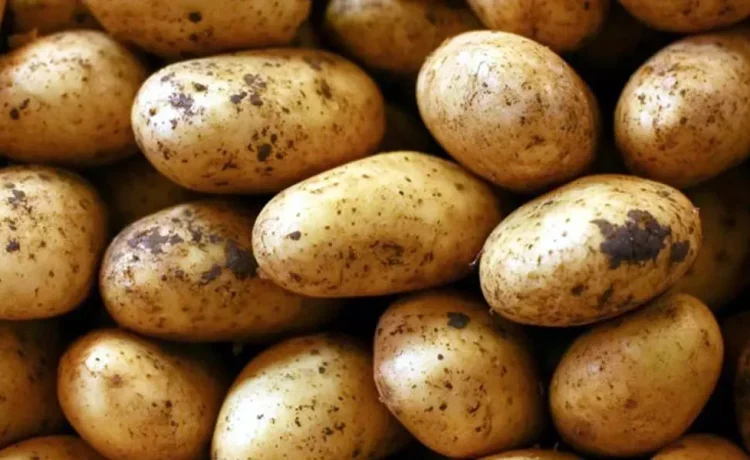
By focusing on quality, consumers who are health-conscious may make better judgments. Choose potatoes that are smooth, solid, and devoid of green spots or big sprouts. Solanine, a naturally occurring substance that should be avoided in high concentrations, is indicated with green patches.
It’s important to store things properly. Instead of storing potatoes in the refrigerator, store them somewhere dry, cold, and dark. When cooking, refrigeration may change the amount of starch and impact texture and flavor.
Purchasing fresh potatoes from reputable suppliers guarantees optimal nutritional content and quality.
Potatoes Suit A Variety Of Eating Styles
Potatoes’ versatility is one of the reasons they are still so popular. Vegetarian, vegan, gluten-free, and family-friendly meal plans may easily include them. They work nicely in a variety of dishes and go well with grilled vegetables, beans, fish, poultry, and salads.
Are potatoes healthy enough to be a regular part of a balanced diet? It is a common question among those who follow such regimens. Most nutritionists agree that a balanced diet may include whole potatoes cooked in a healthy manner. A balanced diet plan and portion management are still more important than completely eliminating potatoes.
Distinguishing Myths From Facts
Potatoes have an undeserved image due to several fallacies. Instead of being harmful, simple potatoes are really nutrient-dense meals. More calories, fat, and salt are often added by the toppings and cooking methods than by the potatoes themselves.
Customers may differentiate between the vegetable itself and less healthful preparation methods by being aware of precise potato nutrition information. Making better decisions at home and while eating out is encouraged by this information.
Conclusion
One of the most nutrient-dense and adaptable veggies on the market is still potatoes. They are inexpensive and simple to make, and they provide important vitamins, minerals, fiber, and energy. Customers may comfortably include potatoes in their daily meals by emphasizing balanced servings and healthy cooking techniques.
Are potatoes healthy? Health-conscious consumers may appreciate potatoes as a part of a balanced and fulfilling diet by learning the facts about their nutritional worth.