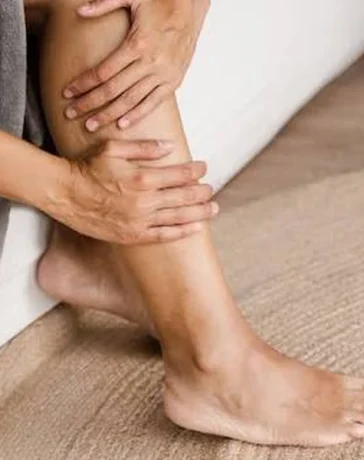






Specialists commonly begin with manageable movement routines designed around flexibility, posture, and muscle support. During recovery research, many individuals searching for support programs and treatment information eventually come across pain management san antonio while reading about options connected with long term mobility improvement and spinal recovery care. Modern recovery support programs continue gaining attention because patients often want practical solutions that help them return to ordinary routines without making recovery feel overwhelming.Recovery support programs are often discussed because they usually focus on gradual improvement instead of forcing intense physical activity too early.
Small Adjustments During the Day Can Matter
Sitting carefully during meetings, avoiding stairs, or reaching for support while standing up slowly becomes normal behaviour over time.
Recovery programs often include guidance connected with ordinary movement throughout the day. Patients may learn safer lifting habits, improved sitting posture, or simple ways to reduce strain during regular activity. Those adjustments usually appear minor in the beginning, though they may help support recovery more consistently over time.
Physical discomfort sometimes grows worse through repeated daily habits, which is why many specialists focus on movement patterns alongside treatment itself.
Areas Often Included in Recovery Support Programs
- Flexibility exercises for reduced stiffness
- Core strengthening movements for better support
- Walking and balance improvement routines
- Posture correction during everyday activity
- Gentle stretching after sitting long periods
Confidence Around Normal Movement Can Return Slowly
Long periods of discomfort sometimes affect confidence as much as physical movement itself. Some individuals begin avoiding exercise, lifting groceries, or standing for longer periods because they worry discomfort might suddenly return again.
Structured recovery programs often help patients feel more comfortable moving gradually through guided exercises and supervised activity. Instead of pushing intense physical routines immediately, specialists usually focus on helping the body regain stability little by little.
Simple improvements can feel important during recovery. Walking through stores comfortably, sitting through work hours with fewer adjustments, or getting through household chores without exhaustion afterward often gives patients motivation to continue improving.
Recovery Progress Does Not Always Feel Fast
Healing after spine related treatment or long-term discomfort usually happens gradually. Some mornings feel encouraging while other days still involve stiffness or soreness after normal activity. That uneven progress can frustrate people expecting immediate improvement.
Modern recovery support programs often encourage patience instead of unrealistic physical expectations. Controlled activity, short therapy sessions, and steady movement routines may help the body adjust naturally without placing too much pressure on sensitive areas during healing.
While looking into mobility programs and rehabilitation support, many people also encounter pain management sanantonio during broader searches connected with physical recovery and spinal wellness care.
Consistency Usually Feels Better Than Rushing Recovery
People dealing with long lasting discomfort often search for fast solutions because daily movement already feels tiring enough. Still, recovery support programs usually focus more on steady progress than immediate physical change.
Short exercise routines repeated consistently may support mobility better than forcing difficult movement too quickly.
FAQs
- Do recovery support programs always involve surgery?
No, many programs focus on therapy, rehabilitation exercises, posture support, and movement improvement without surgical treatment.
- Can movement still help during recovery?
Yes, mild movement can help reduce stiffness and support recovery over time.