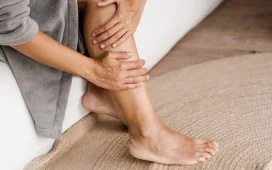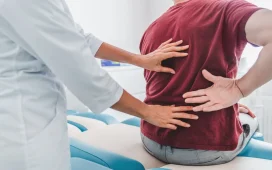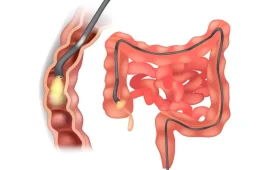




Movement is an essential part of everyday life, whether it involves walking, climbing stairs, exercising, or completing household activities. However, injuries, aging, and certain medical conditions can make even simple movements uncomfortable. Persistent joint pain, limited flexibility, and muscle weakness can gradually affect a person’s independence and overall quality of life. This is where orthopedic doctors play an important role. These specialists help patients restore mobility and confidently resume their daily activities by diagnosing and treating disorders affecting bones, joints, muscles, ligaments, and tendons.
Understanding the Importance of Orthopedic Care
The musculoskeletal system, which offers the support and structure required for movement, is the main focus of orthopedic medicine. When any part of this system becomes damaged or develops a medical condition, it can interfere with normal physical activities.
Orthopedic doctors are trained to identify the underlying causes of pain, stiffness, swelling, and restricted movement. Their expertise covers various conditions, including arthritis, fractures, sports injuries, tendon damage, and degenerative joint disorders.
Rather than focusing exclusively on immediate pain relief, orthopedic care aims to improve physical function and support long-term mobility. Treatment plans are often developed according to the patient’s age, medical history, activity level, and individual recovery goals.
Identifying the Root Cause of Movement Problems
One of the most important responsibilities of orthopedic doctors is determining why a patient experiences discomfort or difficulty moving. Different conditions can produce similar symptoms, making an accurate diagnosis essential.
For example, knee pain may result from arthritis, ligament injuries, cartilage damage, or repetitive stress. Similarly, shoulder discomfort can develop because of tendon inflammation, muscle injuries, or joint instability.
To comprehend these issues, orthopedic professionals employ medical histories, physical examinations, and diagnostic imaging when needed. MRI scans, X-rays, and other diagnostic techniques can assist in identifying tissue damage and structural anomalies.
Identifying the underlying condition allows doctors to recommend appropriate treatment rather than simply addressing symptoms temporarily.
Exploring Treatment Options Beyond Surgery
Many people associate orthopedic care with surgical procedures. However, surgery is not always necessary. Orthopedic doctors frequently recommend conservative treatments before considering more invasive options, depending on the condition.
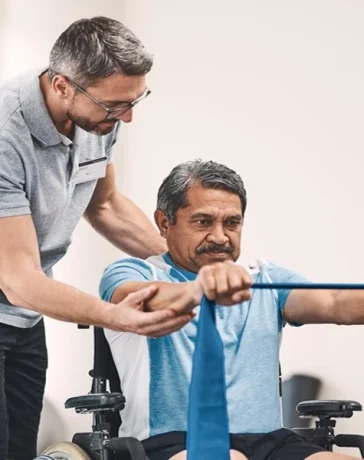
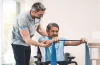
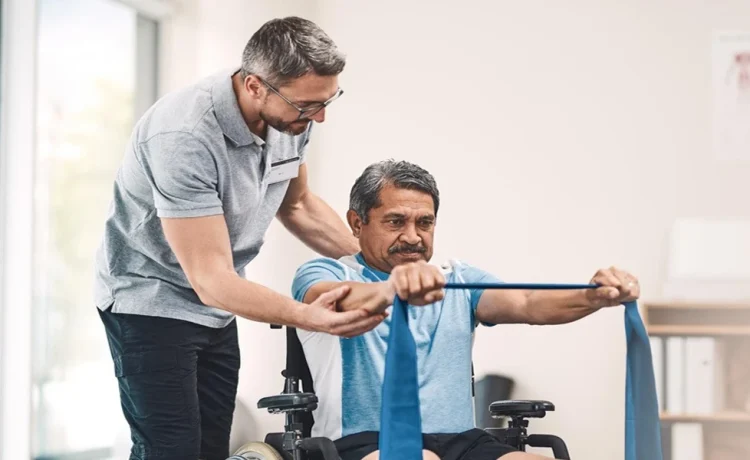
Physical therapy is commonly used to improve flexibility, strengthen supporting muscles, and restore joint function. Targeted exercises can also help patients develop better movement patterns and reduce unnecessary strain.
Medications, supportive braces, activity modifications, and certain injections may also be considered when clinically appropriate. These approaches can help manage discomfort while supporting the body’s natural recovery process.
The objective is to select a treatment strategy that addresses the patient’s condition while minimizing unnecessary intervention.
Restoring Mobility Through Advanced Orthopedic Procedures
Some orthopedic conditions require surgical treatment, particularly when significant structural damage affects everyday movement or when conservative approaches fail to provide sufficient improvement.
Procedures such as joint replacement, ligament reconstruction, fracture repair, and certain minimally invasive surgeries may help restore function in appropriately selected patients.
For individuals experiencing severe hip or knee arthritis, joint replacement surgery may improve mobility and reduce pain. Similarly, repairing damaged ligaments or tendons can help restore stability following certain injuries.
Orthopedic specialists evaluate the potential benefits, risks, and expected recovery process before recommending surgery. Modern surgical techniques and rehabilitation programs continue to support more personalized approaches to orthopedic treatment.
Supporting Recovery and Rehabilitation
Successful orthopedic treatment involves more than diagnosing a condition or performing a procedure. Rehabilitation plays an equally important role in helping patients regain movement and independence.
Following an injury or surgery, patients may experience stiffness, reduced strength, and difficulty performing familiar activities. A structured rehabilitation program helps address these challenges gradually.
Orthopedic doctors often coordinate with physical therapists and other healthcare professionals to monitor recovery and adjust treatment recommendations.
Recovery timelines vary depending on the condition, treatment, and individual health factors. Following medical guidance and participating consistently in rehabilitation can contribute to improved functional outcomes.
Helping Patients Maintain Long-Term Independence
Orthopedic care also focuses on preventing recurring injuries and managing chronic musculoskeletal conditions.
Doctors may recommend maintaining a healthy weight, participating in appropriate physical activities, strengthening muscles, and improving posture. These measures can reduce excessive stress on joints and support better physical function.
For older adults, maintaining mobility is especially important because movement limitations can interfere with personal independence. Appropriate orthopedic treatment may help individuals continue walking, participating in recreational activities, and managing daily responsibilities.
Early medical evaluation can also prevent certain injuries or conditions from becoming more complicated.
Conclusion
Orthopedic doctors contribute significantly to restoring movement, reducing discomfort, and helping patients maintain independence. Through accurate diagnosis, personalized treatment, surgical expertise, and rehabilitation support, they address conditions that can interfere with everyday life.
Professional orthopedic care can offer a clearer route to increased mobility, whether a person is managing arthritis, recuperating from a sports accident, or dealing with chronic joint discomfort. With appropriate treatment and ongoing support, many patients can return to meaningful activities and enjoy a more active, comfortable lifestyle.