


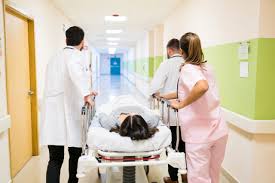
In the moments after a serious injury caused by a mishap, fast and efficient treatment is the difference between life and death. Emergency care, as the name suggests, is the care that is provided to patients in desperate situations.
This treatment is to stabilise the patients, manage life-threatening conditions, and prevent matters from getting worse before giving specialised treatment. The process involves assessing the condition fast, diagnosing, and intervening.
What is the Golden Hour?
When there is a traumatic injury, victims need to be taken to an emergency unit. These sixty minutes are critical after an injury, accident, or trauma. The emergency interventions include assisted breathing, closing wounds, blood transfusion, and others.
There are also other procedures involved, like evaluation, radio-imaging, and planning for surgery. The ambulance will have all the equipment to make sure that none of the injured parts are affected. Prompt care within this golden hour gives the patient the best chance of survival.
What Does Medical Emergency and Trauma Care Involve?
The measures that may be involved in emergency trauma care are as follows:
- CPR (Cardiopulmonary Resuscitation): This is a series of steps to maintain blood circulation and give oxygen to the brain till the time medical help arrives.
- Oxygen Therapy: In cases where a patient is having difficulty breathing or has low blood oxygen levels, oxygen therapy can come to the rescue.
- Airway Management: For patients who are in respiratory distress, the emergency care team tries to keep a clean and open airway. There are techniques, such as inserting an airway device, for a proper airway for easy breathing.
- Imaging and Diagnostic Tests: In certain emergencies, fast diagnostic tests or imaging may be performed to understand the extent of the injury or illness.
What are the Common Emergencies and Trauma Cases?
The common accidents and emergencies that trauma care manages are:
Road Traffic Accidents
These are the leading causes of trauma. The emergency team is trained to manage injuries like fractures, internal bleeding, and head injuries, among others.
Cardiac Emergencies
Heart emergencies, like a heart attack, need immediate treatment to prevent serious problems or death. Defibrillators are common equipment that you’ll find in emergency heart care units.
Falls and Fractures
Falls can lead to serious injuries like fractures, particularly in the elderly. Orthopaedic specialists provide care for fractures, which includes stabilisation and emergency interventions if needed.
Severe Pain
Pain can sometimes be severe enough to prevent one from carrying out their daily activities. If someone is going through immense pain, then maybe they should be taken to the accident and emergency department.
Assault Related Wounds
Injuries, like gunshot wounds(s), blunt force trauma, or stab wounds, are attended to with the highest care. The patient should be brought to the hospital as fast as possible so as not to deteriorate their condition.
What is the Role of First Aid in Emergency Situations?
First aid is given to anyone suffering from a disease or an injury to preserve life, prevent a condition from becoming worse, or both and more.
Here’s how first aid helps:
Avoiding Complications
First aid has the potential to save one’s life. Time is crucial in medical emergencies, so till the time doctors arrive, first aid can help the affected to hold on. CPR can also be used to help save the person’s life till the doctors arrive at the scene.
Pain Relief
A cold pack is an important part of a first aid kit. If someone is going through a lot of pain, a cold pack can help soothe the pain till help arrives. Some injuries aren’t life-threatening, but they can cause a lot of agony; first aid can help in those situations as well.
How to Approach Medical Emergencies?
During these difficult times, it’s important to calm down, which is easier said than done. Here are some necessary steps to follow:
Call For Help
When there is a medical condition that needs immediate assistance, call for help instantly.
Basic Life Support
If the person isn’t responding and not breathing, start CPR immediately. If you know BLS (Basic Life Support) measures, or know someone who does, ask for their assistance before help arrives.
Losing Blood
If someone has been in an accident and is losing blood, clean the wound of the accident patient and cover the bleeding area with cotton and a bandage. Use water to rinse the area, or ice to soothe the same.
<H3>Use First Aid</H3>
Provide basic first aid if there’s an injury. Put pressure on the wound to prevent bleeding and stabilise fractures.
Conclusion
In case of life-threatening injuries or conditions, when you take them to a hospital makes all the difference. While transporting the patient, the medical staff will assess the situation. Based on their evaluations, the patient will be admitted to the relevant department.