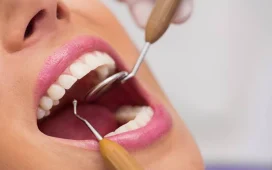





When you decide to straighten your smile, choosing a discreet path makes all the difference. Metal brackets have their place, but clear aligners offer a flexibility that fits right into a busy lifestyle. If you are curious about what actually happens once you start, the journey breaks down into a seamless, high-tech process.
The Roadmap to Your New Smile
Your transformation begins with a detailed assessment. An orthodontist examines your teeth, jaw, and overall oral health to map out a custom plan. If you are looking for an experienced invisalign provider Marysville, Smokey Point Braces offers personalized care using advanced 3D digital scanning. Led by Dr. Fedora Katz and a dedicated team, this practice focuses on tailored orthodontic solutions for adults and teens alike, helping patients visualize their future smiles before treatment even officially starts.
Once your custom blueprints are finalized, advanced engineering takes over. A specialized lab crafts a series of custom trays made from smooth, medical-grade, BPA-free plastic. Because they are meticulously molded to your teeth, they lack the sharp edges that often make traditional braces uncomfortable.
Living with Your Aligners
When you pick up your first batches of trays, the true work begins. Invisalign relies on consistent, gentle pressure to shift teeth incrementally.
To hit your goals on time, you will need to keep a few vital habits in mind:
- The 22-Hour Rule: Your trays need to be in your mouth for 20 to 22 hours every single day, including while you sleep.
- The Great Escape: You must remove your clear trays whenever you eat or drink anything other than plain water. This freedom means zero dietary restrictions; you can still enjoy popcorn, nuts, and apples.
- Post-Meal Rituals: Before popping the trays back in, brushing and flossing are essential. Trapping food debris or sugar against your teeth inside a sealed plastic tray is a fast track to cavities and stained aligners.
- Simple Maintenance: Keep the plastic crystal-clear by rinsing it daily and brushing it gently with liquid soap and a soft-bristled brush. Avoid abrasive toothpastes, which can scratch the surface and make it visible.
Shifting into the Routine

Every one to two weeks, you will transition to the next set of trays in your series. Each new stage targets specific teeth, moving them fractions of a millimeter at a time. It is completely normal to feel a slight pressure or mild soreness during the first day or two of a new tray; it simply means the engineering is doing its job.
Unlike traditional orthodontics that require frequent, uncomfortable wire tightening, your check-ins will be relatively quick. Every six to eight weeks, you will visit your provider so they can monitor your tooth movement, ensure everything matches the digital plan, and hand over your next set of trays.
Crossing the Finish Line
Once your active treatment wraps up, your teeth need time to stabilize. Transitioning to a custom clear retainer, typically worn just at night, prevents them from shifting backward, locking in your hard work and preserving your beautiful new smile for a lifetime.