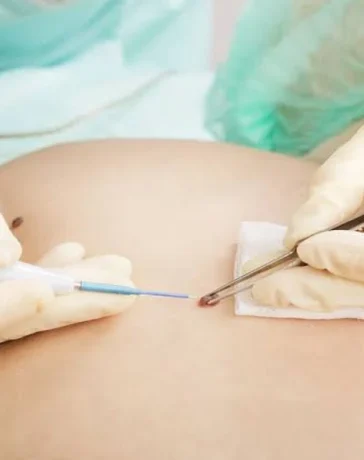






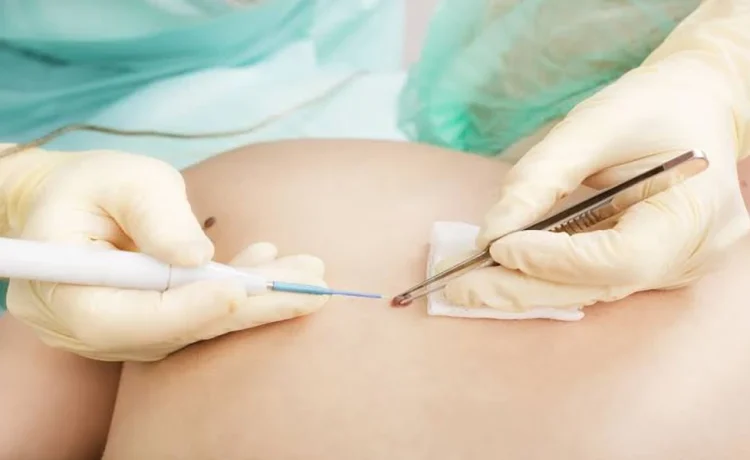
Minor surgical procedures are commonly carried out to address a range of straightforward medical concerns without requiring a hospital stay. Minor Surgery Birmingham can cover procedures performed in an outpatient setting, where patients receive appropriate assessment, treatment, and aftercare while returning home on the same day in many circumstances.
What Is Minor Surgery?
Minor surgery refers to procedures that are generally less complex than major operations and can often be performed under local anaesthetic. The exact treatment depends on the medical concern, the location of the affected area, and the patient’s circumstances.
Although these procedures may be relatively small, appropriate clinical assessment remains important. A healthcare professional will review the relevant medical information, discuss the proposed procedure, and explain potential risks and expected outcomes. This helps establish whether an outpatient approach is suitable.
Common Procedures Performed in Outpatient Settings
Outpatient minor surgery can cover several types of procedures. These may include the removal of certain skin lesions, cysts, lipomas, moles, and other benign growths. Some clinics may also perform procedures involving small areas of tissue that require treatment or removal.
The technique selected depends on what is being treated. Surgical excision, drainage, biopsy, or other procedures may be appropriate in different circumstances. The healthcare professional can explain why a particular technique has been selected and whether the removed tissue may require further examination.
Outpatient treatment can reduce the need for an overnight hospital stay, although the suitability of this approach depends on the procedure and the patient’s overall circumstances.
Assessing Suitability for a Minor Surgical Procedure
Before treatment, a healthcare professional will assess the condition requiring attention and review relevant medical information. The size, location, appearance, and nature of the affected area can influence whether minor surgery is appropriate.
Medical history, allergies, medications, and previous reactions to anaesthetic may also be discussed. Patients should provide accurate information and mention any concerns before treatment begins.
If further investigation or a different type of treatment is required, the healthcare professional can explain the available options. A thorough assessment helps ensure that the proposed procedure is appropriate for the circumstances.
Preparing for Treatment and Understanding the Process
Preparation depends on the procedure being performed. Patients may receive instructions about eating, medication, clothing, wound care, or arrangements for returning home. Following these instructions can help the appointment proceed smoothly.
Before treatment begins, the healthcare professional should explain what will happen, including the use of local anaesthetic where appropriate. Patients can also ask questions about discomfort, possible risks, expected healing time, and the anticipated appearance of the treated area.
Understanding these details beforehand can help patients know what to expect throughout the appointment.
Recovery, Aftercare, and Follow-Up Appointments
Recovery varies according to the type of procedure and the area treated. Temporary tenderness, swelling, bruising, or redness may occur after minor surgery. Following the recommended aftercare instructions can support normal healing.
Patients may be advised to keep the wound clean and protected, avoid unnecessary pressure on the area, and follow specific guidance about physical activity. Any prescribed medication or wound-care instructions should be followed carefully.
Follow-up appointments may be arranged to check healing, remove sutures where necessary, or discuss test results. Increasing pain, significant swelling, persistent bleeding, unusual discharge, or other unexpected symptoms should be reported promptly to a healthcare professional.